

Hearing Aids: A Complete Guide to Better Hearing, Benefits & Choosing the Right Device
Hearing plays an important role in communication, relationships, work, learning, and everyday life. When hearing becomes difficult, conversations may become challenging and familiar sounds may no longer seem as clear as they once were. Hearing aids can provide valuable support for people experiencing hearing difficulties by helping make sounds easier to hear and understand.
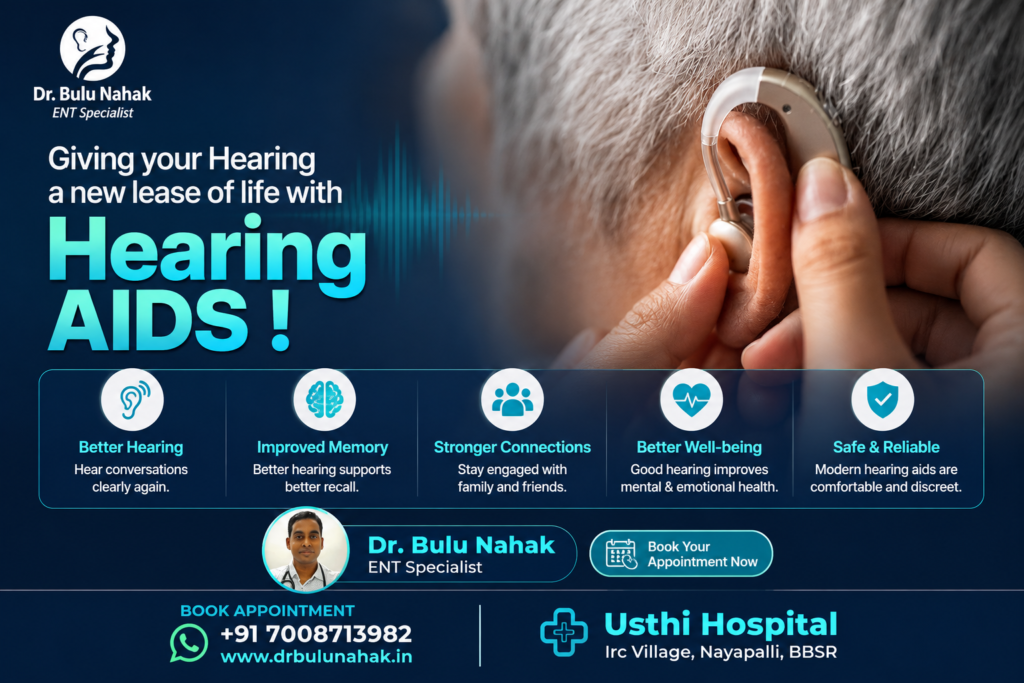
The image highlights the idea of “Giving your hearing a new lease of life with hearing aids.” However, choosing a hearing aid should not simply be about purchasing a device. A proper hearing assessment and professional guidance are important for determining whether hearing aids are appropriate and what type of hearing support may be suitable.
What Are Hearing Aids?
A hearing aid is a small electronic device designed to help people hear sounds more clearly when they have hearing difficulties. Hearing aids are worn in or around the ear and are selected according to an individual’s hearing needs and lifestyle.
A hearing aid does not mean that a person has to stop living normally. With appropriate assessment, fitting, and adjustment, hearing support can become part of everyday life.
How Do Hearing Aids Support Better Hearing?
Hearing aids work by receiving sounds, processing them, and providing amplified or adjusted sound to the ear. The purpose is to make relevant sounds more accessible to the wearer.
The exact performance of a hearing aid depends on factors such as the person’s hearing condition, the device selected, fitting, settings, and individual listening requirements.
Who May Benefit From Hearing Aids?
People who have hearing difficulties may benefit from hearing aids when a hearing assessment indicates that amplification could improve their ability to hear and communicate.
Some people gradually become aware of hearing difficulties, while others may notice them when family members point out that they frequently ask for repetition or have trouble following conversations.
Common Signs That You May Need a Hearing Evaluation
Consider discussing your hearing concerns with an ENT specialist or qualified hearing professional if you experience:
- Difficulty understanding conversations
- Frequently asking people to repeat themselves
- Difficulty hearing in conversations with background noise
- Increasing the volume of television or other devices
- Feeling that people are speaking unclearly
- Concern from family members about your hearing
These signs do not automatically mean that hearing aids are required. A professional hearing assessment is the appropriate way to understand the cause and degree of hearing difficulty.
What Are the Benefits of Hearing Aids?
The main purpose of hearing aids is to support better access to sound. For suitable users, improved hearing can make everyday communication easier and more comfortable.
1. Improved Communication
One of the most important benefits of hearing aids is helping users hear conversations more clearly. Better access to speech can make communication with family, friends, colleagues, and others more comfortable.
2. Greater Confidence in Everyday Situations
Hearing difficulty can sometimes make people avoid conversations or social situations. Appropriate hearing support may help individuals feel more confident participating in everyday interactions.
3. Better Awareness of Everyday Sounds
Hearing aids can help users access sounds around them, depending on their hearing condition and the capabilities of the selected device. This may include conversations and other everyday environmental sounds.
4. Support for an Active Lifestyle
Modern hearing aids are designed for a variety of lifestyles. A suitable device can provide hearing support while a person participates in daily activities, social interactions, and work-related situations.
Types of Hearing Aids: How Do You Choose the Right One?
The right hearing aid depends on individual hearing requirements, comfort, lifestyle, preferences, and professional recommendations. Hearing aids are available in different designs and configurations.
| Hearing Aid Consideration | What to Think About |
|---|---|
| Design | How the device fits in or around the ear |
| Hearing Requirement | The level and characteristics of hearing difficulty |
| Comfort | Whether the device feels comfortable during regular use |
| Lifestyle | Daily communication and listening environments |
| Professional Fitting | Appropriate adjustment according to individual hearing needs |
Why Is a Hearing Test Important Before Getting Hearing Aids?
A hearing test is an important step before selecting hearing aids because hearing difficulties can vary from person to person. Professional assessment helps determine the nature and degree of hearing difficulty and whether hearing aids may be appropriate.
Rather than choosing a hearing device based only on appearance, price, or recommendations from others, it is better to begin with a professional evaluation.
What Happens During a Hearing Evaluation?
A hearing evaluation may involve discussing your hearing concerns, examining the ears, and performing appropriate hearing tests. The results can help the healthcare professional understand your hearing profile and discuss suitable options.
This assessment-based approach is important because the same hearing aid may not be equally suitable for every person.
How to Adjust to New Hearing Aids
Getting a hearing aid is an important step, but becoming comfortable with a new device can take time. Your brain and listening habits may need time to adapt to hearing sounds differently.
Practical Tips for New Hearing Aid Users
- Start gradually: Follow the usage guidance provided by your hearing professional.
- Practice conversations: Spend time communicating with people in familiar environments.
- Allow time for adjustment: Give yourself time to become comfortable with the device.
- Follow fitting recommendations: If the device does not feel comfortable or sounds do not seem appropriate, discuss adjustments with your professional.
- Attend follow-up appointments: Professional follow-up can help ensure the device continues to meet your hearing needs.
How to Care for Your Hearing Aids
Proper hearing aid care can help maintain the device and support reliable everyday use. Always follow the manufacturer’s instructions and recommendations from your hearing professional.
Basic Hearing Aid Care Tips
- Keep the device clean according to the manufacturer’s instructions.
- Handle hearing aids carefully.
- Store the device appropriately when it is not being used.
- Follow recommended battery or charging procedures.
- Contact your hearing professional if the device is not functioning properly.
Hearing Aids and Better Quality of Life
Hearing is closely connected with everyday communication. Difficulty hearing can make simple conversations more challenging, particularly in busy or noisy environments.
For people who are suitable candidates, hearing aids can provide hearing support that may make communication easier. The goal is not simply to wear a device but to achieve useful hearing support that fits the individual’s needs and lifestyle.
Example: When Hearing Difficulty Affects Daily Communication
For example, a person may regularly ask family members to repeat themselves during conversations or struggle to understand speech in a busy environment. Instead of simply increasing the volume of every device around them, a hearing evaluation can help identify whether hearing loss is contributing to the problem and whether hearing aids may be appropriate.
When Should You Consult an ENT Specialist for Hearing Problems?
You should consider consulting an ENT specialist when hearing difficulties are persistent, worsening, sudden, or interfering with everyday communication. Professional evaluation can help identify possible causes and determine whether further hearing assessment or hearing support is appropriate.
An ENT specialist can also help assess associated ear concerns rather than treating hearing difficulty as an isolated problem.
Key Takeaways About Hearing Aids
- Hearing aids are devices designed to support people with hearing difficulties.
- A professional hearing evaluation should be considered before selecting a hearing aid.
- The right hearing aid depends on individual hearing needs, comfort, lifestyle, and professional recommendations.
- Proper fitting and adjustment are important for comfortable and useful hearing support.
- Regular care and professional follow-up can help support continued hearing aid use.
- Persistent or concerning hearing problems should be professionally evaluated.
Frequently Asked Questions About Hearing Aids
What are hearing aids?
Hearing aids are small electronic devices designed to help people with hearing difficulties hear sounds more clearly. They are selected and adjusted according to individual hearing requirements.
Do I need a hearing test before getting hearing aids?
Yes. A professional hearing evaluation is an important step before choosing hearing aids. It helps identify the nature and degree of hearing difficulty and helps determine whether hearing aids may be suitable.
Can hearing aids improve hearing?
Hearing aids are designed to provide hearing support by making sounds more accessible to people with hearing difficulties. The amount of benefit varies depending on the individual’s hearing condition and the suitability and fitting of the device.
How do I choose the right hearing aid?
The right hearing aid depends on factors such as your hearing needs, lifestyle, comfort preferences, device design, and professional recommendations. A hearing assessment should be the starting point.
How long does it take to get used to hearing aids?
Adjustment time varies between individuals. New users may need time to become comfortable with the device and with hearing sounds differently. Following professional guidance and attending recommended follow-ups can help with the adjustment process.
When should I see an ENT specialist for hearing problems?
Consider seeing an ENT specialist if hearing difficulty is persistent, worsening, sudden, or interfering with everyday communication. Professional evaluation can help determine the appropriate next step.
Consult an ENT Specialist in Bhubaneswar for Hearing Evaluation
If you or a family member is experiencing difficulty hearing, frequently asking others to repeat themselves, or struggling with everyday conversations, do not ignore the concern. A professional evaluation can help you understand your hearing needs and explore appropriate hearing support.
For hearing and ear-related concerns in Bhubaneswar, you can consult Dr. Bulu Nahak, ENT Specialist, at Usthi Hospital, IRC Village, Nayapalli, Bhubaneswar.
Take the first step toward better hearing by scheduling a professional consultation and hearing evaluation.
Book an Appointment with Dr. Bulu Nahak – ENT Specialist in Bhubaneswar